
When the Brain’s Blood Supply Fails: Understanding Neurovascular Stroke and the Path to Recovery
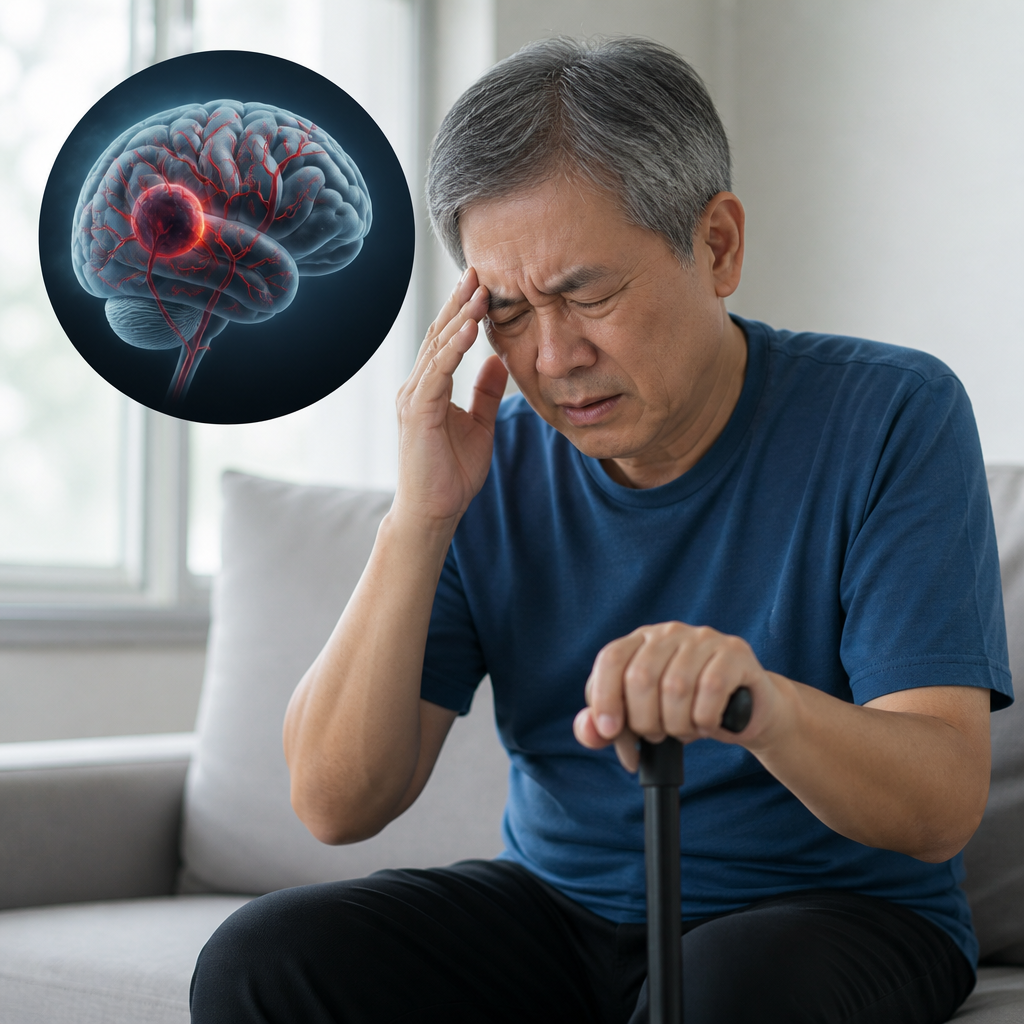
Stroke remains one of the most devastating and time-sensitive medical emergencies in the world. Every minute that passes without intervention can mean the permanent loss of millions of neurons, erasing years of memory, language, movement, and identity. Yet despite its urgency, stroke is widely misunderstood — both in terms of how it happens and what modern medicine can do to reverse its damage. Understanding the neurovascular mechanisms behind stroke is not merely academic; it is the difference between life, disability, and death.
The Neurovascular Unit: A Delicate System Under Threat
The brain is one of the most metabolically demanding organs in the human body, consuming roughly 20% of the body’s total oxygen supply despite accounting for only about 2% of body weight. This extraordinary demand is met by an intricate network of blood vessels, neurons, glial cells, and the blood-brain barrier — collectively referred to as the neurovascular unit. When any component of this system is disrupted, the consequences can be catastrophic.
Ischemic stroke, which accounts for approximately 87% of all strokes, occurs when a clot blocks blood flow to a region of the brain. Hemorrhagic stroke, by contrast, results from a ruptured blood vessel that floods surrounding brain tissue with blood. Both types trigger a cascade of cellular injury — excitotoxicity, oxidative stress, and inflammation — that can destroy neural tissue within hours if not addressed. The speed and precision of the medical response are therefore paramount.
Recognizing Stroke: The Symptoms That Demand Immediate Action
One of the greatest challenges in stroke care is recognition. Symptoms can be subtle or dramatic, and they vary depending on which region of the brain is affected. The widely used FAST acronym — Face drooping, Arm weakness, Speech difficulty, Time to call emergency services — captures the most common warning signs. However, strokes affecting the posterior circulation may present with dizziness, sudden vision loss, severe headache, or loss of coordination, symptoms that are frequently misattributed to less serious conditions.
Transient ischemic attacks (TIAs), sometimes called “mini-strokes,” are particularly deceptive. Symptoms resolve within minutes to hours, leading many patients to dismiss the event. Yet a TIA is a critical warning signal — studies show that the risk of a full stroke within 48 hours of a TIA is significantly elevated. Treating a TIA as a medical emergency is not an overreaction; it is the appropriate clinical response.
The Role of Risk Factors in Stroke Prevention
Hypertension is the single most modifiable risk factor for stroke, responsible for a substantial proportion of global stroke burden. Atrial fibrillation, diabetes, hyperlipidemia, smoking, obesity, and physical inactivity each compound the risk independently. Addressing these factors through lifestyle modification and pharmacological management is the foundation of primary stroke prevention. For patients who have already experienced a stroke or TIA, secondary prevention strategies — including antiplatelet therapy, anticoagulation, and carotid intervention — are essential to reducing recurrence.
Advances in Acute Stroke Treatment
The landscape of acute stroke treatment has transformed dramatically over the past two decades. Intravenous thrombolysis with tissue plasminogen activator (tPA) was once the only pharmacological option for ischemic stroke, and it remains a cornerstone of care when administered within the appropriate time window. However, the introduction of mechanical thrombectomy — a minimally invasive procedure in which a catheter is used to physically remove a clot from a large cerebral artery — has revolutionized outcomes for patients with large vessel occlusion.
Landmark clinical trial data published in The Lancet demonstrated that mechanical thrombectomy, when combined with standard medical care, significantly improved functional outcomes in patients with acute ischemic stroke caused by large vessel occlusion. These findings reshaped international stroke guidelines and accelerated the development of comprehensive stroke centers equipped to deliver endovascular therapy around the clock.
The Expanding Time Window and Imaging-Guided Decisions
Early stroke protocols were governed by rigid time windows — tPA within 4.5 hours, thrombectomy within 6 hours. Advances in neuroimaging, particularly perfusion CT and MRI, have allowed clinicians to identify salvageable brain tissue — the so-called penumbra — even in patients presenting many hours after symptom onset. This shift from time-based to tissue-based decision-making has extended the treatment window for carefully selected patients, offering hope to those who might previously have been considered beyond intervention.
Hormonal and Systemic Factors in Stroke Recovery
Recovery from stroke is a complex, multifactorial process influenced by neuroplasticity, rehabilitation intensity, and systemic health. Emerging research has begun to explore the role of growth hormone pathways in neuroprotection and recovery. For those interested in the intersection of endocrine function and neurological health, understanding what hexarelin reveals about growth hormone secretion over time offers a compelling lens through which to examine how systemic hormonal environments may influence brain repair mechanisms after injury.
While this area of research remains evolving, it underscores a broader truth in stroke medicine: recovery does not occur in isolation. The brain’s capacity to reorganize and heal is shaped by nutrition, sleep, cardiovascular health, and the hormonal milieu — all of which must be addressed in a comprehensive rehabilitation plan.
Cleveland Clinic Abu Dhabi: A Center of Excellence in Neurovascular Care
For patients in the UAE and the broader Middle East region, access to world-class neurovascular care has never been more critical — or more attainable. Cleveland Clinic Abu Dhabi brings together a multidisciplinary team of neurologists, neuroradiologists, neurosurgeons, and rehabilitation specialists who work in concert to deliver evidence-based stroke care at every stage of the patient journey. From rapid diagnosis and acute intervention to long-term rehabilitation and secondary prevention, the institution is structured around the principle that stroke outcomes are determined not by chance, but by the quality and speed of the care delivered. Consulting a neurovascular stroke specialist at Cleveland Clinic Abu Dhabi ensures that patients receive individualized, protocol-driven care backed by decades of clinical expertise and continuous research.
Rehabilitation and Life After Stroke
Surviving a stroke is only the beginning of the journey. Depending on the severity and location of the injury, patients may face challenges with mobility, speech, cognition, and emotional regulation. Intensive, early rehabilitation — beginning within 24 to 48 hours of stabilization — has been shown to significantly improve functional recovery. Speech therapy, physiotherapy, occupational therapy, and neuropsychological support are all integral components of a comprehensive stroke rehabilitation program. Family education and psychosocial support are equally important, as the burden of stroke extends well beyond the individual patient.
Conclusion: Time, Expertise, and the Future of Stroke Care
Stroke is a medical emergency that demands immediate recognition, rapid intervention, and sustained, expert-led rehabilitation. The advances of the past two decades have transformed what was once a condition of near-certain disability into one where meaningful recovery is achievable for many patients — provided they receive the right care at the right time. As neuroimaging, endovascular techniques, and our understanding of brain recovery continue to evolve, the prognosis for stroke patients will only improve. The imperative for patients, families, and healthcare systems alike is clear: know the signs, act without hesitation, and seek care from specialists equipped to deliver the full spectrum of modern neurovascular medicine.