
Important Steps To Take Before Purchasing A Condo In Singapore
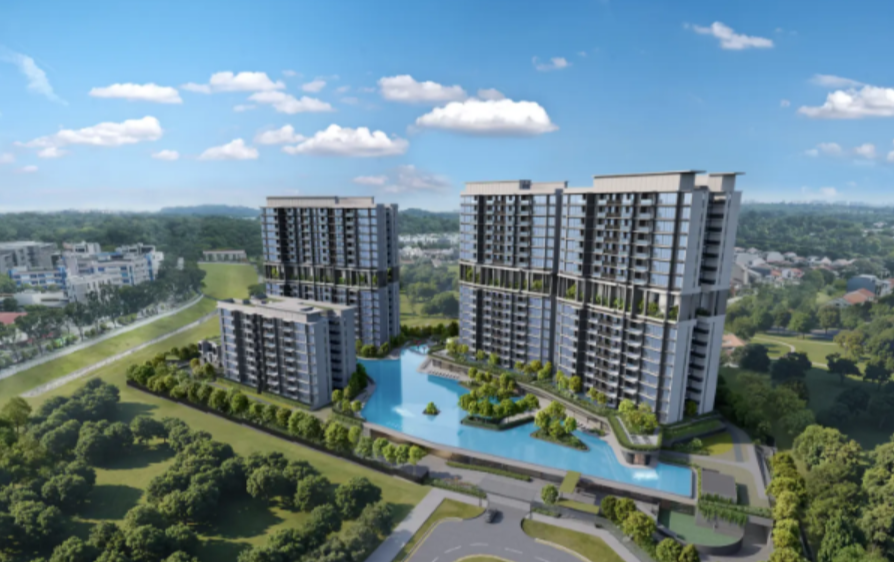
Buying a private property in Singapore represents a major financial milestone. With a stable economy and excellent infrastructure, the local real estate market remains highly attractive to both local buyers and foreign investors. However, rushing into a purchase without proper preparation can lead to costly mistakes. Whether you are eyeing a premium unit at Thomson Reserve or analyzing other upcoming developments, you must follow a systematic approach. Succeeding in the property market requires a clear understanding of your financial limits, legal obligations, and long-term lifestyle goals. Taking the right preliminary steps ensures that your investment remains secure and continues to appreciate over time.
Assessing Your True Financial Capability
Before shortlisting any properties, you must establish a realistic budget. Many buyers look at the purchase price but overlook the transaction costs. In Singapore, these costs include the Buyer’s Stamp Duty (BSD) and, if applicable, the Additional Buyer’s Stamp Duty (ABSD). These taxes require cash or Central Provident Fund (CPF) savings and cannot be fully covered by a bank loan.
Understanding Loan Limits and Debt Ratios
You must also calculate your Total Debt Servicing Ratio (TDSR). The TDSR limits your monthly debt obligations, including car loans, credit cards, and your proposed mortgage, to 55% of your gross monthly income. Additionally, the Loan-to-Value (LTV) limit restricts your maximum bank loan to 75% of the property value for your first housing loan. This means you must secure at least 25% of the purchase price in cash or CPF.
For instance, if you are looking at a modern development near Lentor Garden, the total upfront payment can easily run into hundreds of thousands of dollars. Failing to secure an In-Principle Approval (IPA) from a bank before placing a booking fee can result in forfeiting your option fee if your loan application falls through. Therefore, obtaining an IPA should always be your very first financial step.
Evaluating Location and Long-Term Master Plans
Location remains the most critical factor in real estate valuation. While proximity to your workplace or your children’s school is important, you must also look at the future development of the surrounding area. The Urban Redevelopment Authority (URA) Master Plan provides a detailed blueprint of Singapore’s development over the next ten to fifteen years.
Analyzing Regional Growth Catalysts
Investing in an area scheduled for infrastructure upgrades, such as new MRT lines or regional commercial hubs, guarantees better capital appreciation. For example, properties located near the central water catchment area, like Thomson Reserve, benefit from a rare combination of lush greenery and excellent connectivity. When a neighborhood transforms, early buyers often enjoy the highest capital gains.
Conversely, buying in a fully developed district might offer convenience today but limited growth potential tomorrow. Examine the ratio of residential to commercial zoning in the URA map. A high concentration of commercial developments nearby usually drives rental demand, making the property easier to lease out if you decide to move in the future. Always visit the neighborhood at different times of the day to assess noise levels, traffic congestion, and overall accessibility before committing to a purchase.
Choosing Between Freehold and Leasehold Properties
One of the biggest dilemmas buyers face in Singapore is choosing between freehold and 99-year leasehold properties. Freehold properties command a premium of 10% to 15% over leasehold counterparts in the same area. They hold their value better over decades, making them ideal for multi-generational wealth preservation.
Comparing Yields and Depreciation Rates
However, leasehold properties often offer higher rental yields and more modern facilities. New launch projects in emerging hubs, such as those around Lentor Garden, are typically leasehold but feature state-of-the-art smart home systems and extensive communal facilities that appeal to modern tenants.
If your goal is immediate rental income and a lower entry price, a leasehold condo is often the more practical choice. Keep in mind that leasehold properties can experience rapid depreciation once the remaining lease drops below 60 years. At this point, banks restrict loan amounts for future buyers, and CPF usage becomes limited. If you plan to sell the property within ten to fifteen years, a leasehold unit in a high-demand area can yield excellent returns. If you intend to pass the property down to your children, paying the premium for a freehold unit is generally the safer long-term strategy.
Inspecting the Property and Developer Track Record
Whether you are buying a brand-new launch or a resale unit, you must verify the reputation of the developer. Established developers have a proven track record of delivering projects on time and maintaining high construction standards. Look at their past projects to see how well the buildings have aged.
Conducting Thorough Site Inspections
For resale units in established developments like Thomson Reserve, pay close attention to the maintenance of common areas. Well-managed swimming pools, gyms, and security systems reflect a proactive management committee, which helps preserve the property’s market value. When viewing a resale unit, check for signs of water leakage, structural cracks, and spalling concrete, as these repairs can be incredibly expensive.
For new launches, study the developer’s track record with similar high-end projects, such as recent completions near Lentor Garden. Look for awards from the Building and Construction Authority (BCA) for quality construction. When you collect your keys, hire a professional inspector to conduct a thorough defects check during the 12-month defect liability period. Developers are legally obligated to rectify any construction defects during this timeframe, saving you from future out-of-pocket renovation expenses.
Conclusion
Purchasing a condominium in Singapore is a rewarding venture, but it requires meticulous planning and objective analysis. By carefully calculating your financial limits, studying the URA Master Plan, and choosing the right tenure, you protect your hard-earned capital. Always prioritize the developer’s track record and conduct thorough property inspections, whether you are buying a resale home or a brand-new launch. Taking these essential steps ensures that your real estate purchase serves as a stable foundation for your personal wealth and lifestyle goals. With patience and due diligence, you can confidently secure a property that offers both comfort and strong long-term financial returns.