
How Often Should You Replace Your Pillows, Sheets and Bedding in Singapore?
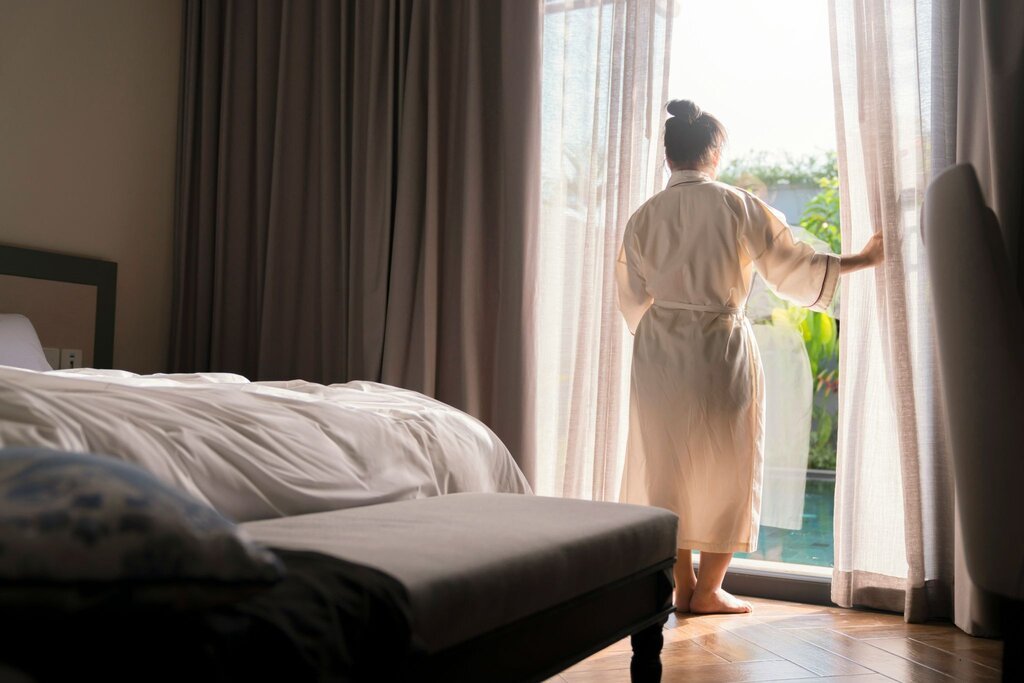
Bedding is one of those things most of us buy once and then forget about. The sheets get washed, the pillows get fluffed, and years slip by without anyone asking whether these items are still doing their job. In most climates that neglect is forgivable. In Singapore, it is not.
Heat and humidity are hard on everything soft in your home, and bedding takes the worst of it. Sweat, skin oils, moisture in the air and the dust mites that thrive in tropical conditions all shorten the life of pillows, sheets and quilts well beyond what the care label suggests. Here is a realistic guide to how long each item lasts in the local climate, and how to tell when it is time to let go.
Pillows: 1 to 2 years
Pillows have the shortest lifespan of anything on your bed, and in Singapore they sit at the low end of the range. A pillow absorbs sweat and oils from your head and face every single night, and in a humid climate that moisture lingers deep in the fill where washing rarely reaches. Over time the fill compresses, loses its support, and becomes a comfortable home for dust mites, which are among the most common allergy triggers in Singapore households.
The test is simple. Fold your pillow in half and let go. If it springs back, it still has life in it. If it stays folded or unfolds slowly, the fill has broken down and it is no longer supporting your neck properly. Yellowing that will not wash out, lumps, or a musty smell are all signs the pillow is past saving.
Anyone with recurring morning congestion, an itchy face, or unexplained neck stiffness should look at their pillow before blaming anything else. A quick search for where to buy pillow in Singapore turns up plenty of options across fills and firmness levels, and replacing one is among the cheapest sleep upgrades available. If you use pillow protectors under your pillowcases, you can stretch the lifespan towards the two-year mark.
Sheets and pillowcases: 2 to 3 years
Sheets wear out from friction and washing rather than time itself, and in Singapore they get washed a lot. Weekly washing is the sensible minimum here, since sweat and humidity accelerate the buildup that would take longer in a dry climate. That frequent laundering is good for hygiene but hard on fabric.
Cotton and bamboo sheets typically give you two to three years of weekly use before they thin, pill, or lose their softness. Signs of retirement include fabric that feels rough despite fresh washing, visible thinning when held up to the light, elastic that no longer grips the mattress, and stains or greying that will not lift. If your sheets tear when you tug the fabric, they left it too late.
Duvets and quilts: 5 to 10 years, with care
Quilts and duvets last the longest of any bedding, partly because they are shielded by a cover that takes the direct contact. A well-made one can serve five to ten years, but Singapore’s humidity narrows that window if you are careless with storage.
The main enemies are moisture and mould. A quilt stored in a sealed cupboard during a stretch of rainy weather can develop mould spots that are almost impossible to remove, ending its life prematurely regardless of quality. Air your quilt regularly, wash or clean it according to its care instructions once or twice a year, and store spares in breathable cotton bags with a moisture absorber in the cupboard.
Replace a quilt when the fill has clumped and will not redistribute, when it has flattened and no longer traps warmth for your air-conditioned nights, or when persistent odour or staining survives a proper clean.
Mattress protectors: 1 to 2 years
The humble mattress protector does more work in the tropics than almost anywhere else, sitting between your body and a mattress you want to last a decade. Because it absorbs what would otherwise reach the mattress, it wears fast. Replace it every year or two, or immediately if the waterproof layer has cracked or the fabric has stained through.
Why the tropics change the maths
The lifespans above run shorter than the figures you will see quoted on overseas websites, and the difference is the climate. Dust mites, the main hygiene concern in bedding, thrive in warmth and humidity, and Singapore offers both all year round. There is no winter to knock their numbers down. Moisture also lingers in fills and fabrics, feeding mould and bacteria that break down materials from within.
Air conditioning helps while you sleep, but the moment the compressor stops, humidity creeps back. That daily cycle of dry nights and humid days is exactly the sort of stress that ages bedding quickly.
Building a replacement rhythm
Rather than waiting for bedding to visibly fail, it is easier to work to a loose schedule. Note the month you buy each item, check pillows every year, sheets every two, and quilts every five. Rotate between two sets of sheets to halve the wear on each. Wash bedding weekly, air quilts and pillows monthly, and keep storage cupboards dry.
None of this is complicated, and the payoff is real. Fresh, supportive bedding is one of the few purchases that improves every single night of your life. In a climate that works against your linen cupboard around the clock, staying a little ahead of the wear is the difference between a bed that merely looks made and one that actually sleeps well.