
Is There an Age Restriction for Porcelain Veneers? What Dentists Say About the Best Time to Transform Your Smile
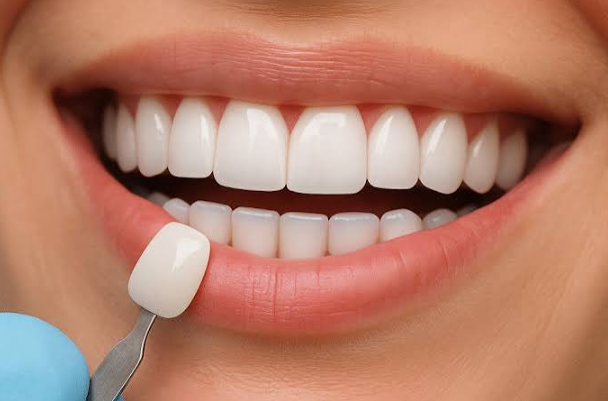
Porcelain veneers have become one of the most talked-about cosmetic dental treatments of the past decade. Social media, celebrity smiles and before-and-after galleries have made the thin ceramic shells a familiar sight. But as interest rises, so does a very practical question, asked by teenagers, parents and retirees alike: is there an age limit for porcelain veneers?
The short answer is that there is no strict upper age limit, but there is a sensible lower one. The longer answer, as dental specialists point out, is more nuanced. Age matters less as a number and more as an indicator of oral development, gum health and the condition of the teeth underneath. In this report, we examine who can safely receive veneers, when it is better to wait, and what changes as we get older.
What Are Porcelain Veneers?
A porcelain veneer is a wafer-thin shell, usually between 0.3 and 0.7 millimetres thick, bonded to the front surface of a tooth. Veneers can correct discolouration, chips, small gaps, uneven shapes and mild misalignment. When done well, they are strong, stain-resistant and remarkably natural in appearance.
To make room for the veneer, the dentist typically removes a very small amount of enamel from the front of the tooth. This is the detail that matters most in the age debate. Enamel does not grow back, so in most cases veneer preparation is considered irreversible. That is exactly why dentists are cautious about treating very young patients, and why they are thorough when treating older ones.
The Lower Limit: Why Teenagers Are Usually Asked to Wait
There is no law that sets a universal minimum age for veneers, and clinics differ in their policies. However, most dental professionals agree that veneers should generally not be placed until a patient’s teeth, gums and jaws have finished developing. In practice, that usually means the late teens, and many dentists prefer to wait until a patient is at least 18.
There are several reasons for this caution.
Teeth are still maturing. In teenagers, the pulp, the living tissue inside the tooth, is larger and sits closer to the surface. Removing enamel from a young tooth carries a greater risk of sensitivity and, in rare cases, nerve irritation.
Gum margins are still settling. The gum line continues to shift position during adolescence and sometimes into the early twenties. A veneer placed too early can end up with a visible edge or an uneven gum appearance once the gums mature.
Jaw growth and orthodontic needs. Many teenagers are still in orthodontic treatment or may need it. Veneers are not a substitute for straightening teeth that are significantly misaligned, and placing them before orthodontics is complete can compromise the result.
Habits and hygiene. Younger patients may not yet have the consistent oral hygiene routine that veneers require to last. Diet, such as frequent fizzy drinks, and habits such as nail biting can also affect the longevity of the restoration.
Emotional and aesthetic maturity. A teenager’s idea of an ideal smile can change quickly. Dentists are understandably reluctant to make irreversible changes based on a passing trend.
What Can Teenagers Do Instead?
For younger patients who are unhappy with their smiles, there are conservative alternatives that do not remove enamel:
- Professional teeth whitening, once the dentist confirms it is suitable
- Composite bonding for small chips or gaps, which is reversible and less invasive
- Orthodontic treatment, including braces or clear aligners
- Enamel microabrasion for certain surface stains
In exceptional cases, such as severe developmental defects or trauma, a dentist may consider veneers earlier, but this should always be a specialist decision made with the family.
See also: When the Brain’s Blood Supply Fails: Understanding Neurovascular Stroke and the Path to Recovery
The Sweet Spot: Adults of All Ages
Once the teeth and gums are fully mature, age becomes largely irrelevant. Adults in their twenties, thirties and forties make up the majority of veneer patients, and many are drawn to the treatment after years of dissatisfaction with stained, worn or uneven teeth.
At this stage, the dentist’s focus shifts from age to suitability. A good candidate has healthy gums, sufficient enamel for bonding, no active decay and realistic expectations. Patients who grind their teeth, known as bruxism, may still receive veneers but are usually advised to wear a protective night guard, since heavy grinding can chip or crack ceramic.
What About Older Patients? Is There an Upper Limit?
There is no maximum age for porcelain veneers. People in their fifties, sixties, seventies and beyond can and do receive them, often as part of a broader smile restoration. Dentists evaluate the individual mouth rather than the birth date.
That said, ageing brings a handful of factors that need careful assessment.
Worn enamel. Decades of chewing, acidic foods and grinding can thin the enamel. Veneers bond best to enamel, so patients with extensive wear may need alternative restorations such as crowns, or a combined approach.
Gum recession. Receding gums expose the roots of the teeth, which are softer and more prone to sensitivity. Veneers on exposed root surfaces do not bond as well, so gum health must be addressed first.
Existing dental work. Older patients often have fillings, crowns or bridges. Veneers can be combined with these, but the plan has to be coordinated so that the colour and shape match across the smile.
General health. Conditions such as uncontrolled diabetes, gum disease or dry mouth caused by medication can affect how well teeth and gums tolerate cosmetic work. These do not rule out veneers but must be managed.
Bone and gum support. If teeth are loose because of advanced gum disease, veneers are not appropriate until the underlying problem is treated, and in some cases other solutions such as implants may be the better path.
For many seniors with healthy teeth and gums, veneers can be an excellent way to refresh a smile that has darkened or worn over the years.
How Long Do Veneers Last at Different Ages?
With proper care, porcelain veneers typically last between 10 and 15 years, and often longer. Age influences this indirectly. A patient who receives veneers at 20 may expect to have them replaced once or twice over a lifetime, while someone who has them fitted at 60 may never need replacement.
What shapes longevity far more than age is lifestyle and maintenance: regular brushing and flossing, routine dental check-ups, avoiding biting hard objects such as ice or pen caps, treating grinding, and not smoking, which can stain the margins and damage the gums.
Questions Dentists Ask Before Recommending Veneers
Regardless of age, a responsible consultation usually covers the following:
- Are the gums healthy and free from inflammation or infection?
- Is there enough enamel to bond to securely?
- Is there an underlying bite or grinding problem?
- Would a less invasive option achieve the same result?
- Are the patient’s expectations realistic and well informed?
A clinic that rushes past these questions, or recommends veneers without examining the teeth, X-rays and bite, should prompt caution.
Choosing a Clinic: A Note on Dentalingo in Alanya
Turkey’s southern coast has become a popular destination for patients seeking cosmetic dentistry abroad, and Alanya sits at the heart of that trend. Among the clinics there is Dentalingo, which offers porcelain veneers alongside a range of other aesthetic and restorative treatments. As with any provider, patients are encouraged to ask for an individual assessment, a clear explanation of how much enamel will be prepared, and a transparent plan for aftercare.
To see how the process works and what to expect, visit the website for details on the treatment.
Frequently Asked Questions
1. What is the minimum age for porcelain veneers?
There is no single legal minimum, but most dentists recommend waiting until the late teens, commonly 18 or older, so that teeth, gums and jaws have finished developing. Younger patients are usually offered reversible alternatives such as whitening or bonding.
2. Is there a maximum age limit for veneers?
No. Healthy adults of any age can have porcelain veneers. What matters is the condition of the teeth, the strength of the gums and the amount of remaining enamel, not the number of candles on the birthday cake.
3. Can I get veneers if I have gum disease or thin enamel?
Gum disease must be treated and stabilised before veneers are considered. Thin enamel does not automatically rule them out, but it may limit the options, and your dentist might suggest crowns or a different approach for certain teeth.
4. Are veneers reversible, and does that change with age?
In most cases, no. Because a small amount of enamel is removed, the treatment is considered permanent, regardless of the patient’s age. This is why a careful consultation and a clear understanding of the process are so important before deciding.
5. Will my veneers need replacing as I get older?
Possibly. Veneers generally last 10 to 15 years or more, so younger patients may need replacements during their lifetime. Good hygiene, regular check-ups and protection against grinding can extend their lifespan significantly.
The Bottom Line
When it comes to porcelain veneers, age is less a barrier than a guide. Teenagers are generally asked to wait until their teeth and gums have fully matured, while adults of every age, including seniors, can benefit as long as their oral health is sound. The most important factors are healthy gums, adequate enamel, realistic expectations and a skilled dentist who puts the patient’s long-term wellbeing ahead of quick cosmetic results.
If you are considering veneers, the best first step is a thorough examination and an honest conversation about your goals.
This article is for general information and does not replace professional dental advice. Consult a qualified dentist about your individual situation.